Getting There
Crow Museum of Asian Art, Edith and Peter O’Donnell Jr. Athenaeum, on the UT Dallas campus in Richardson, Texas.
Street address, entrance, and parking directions.
Open in Google Maps
AI has become remarkably capable at responding to prompts, but the world does not arrive as prompts. Situational AI is an emerging research program exploring whether “situation” can become a first-class computational primitive—helping systems recognize what is happening, why it matters, what response is called for, and learn from what happens next.
The recording, materials, and questions from the first public Situational AI forum, kept here so the work that surrounded it stays findable.
The permanent pages for each summer exploration.
The forum was a starting point. The questions it raised are open for anyone to take up.
Join the Inquiry →During the summer of 2026, five UT Dallas students worked with Mindspace AI to explore different questions emerging from Situational AI.
They examined its theoretical foundations, compared it with existing models of situation awareness, investigated whether explicit situation recognition could reduce computational context, and built working applications incorporating situation-centric concepts.
On October 22, we are bringing those explorations together—and opening the questions to a broader community.
Each exploration has a permanent page in the research program. The forum is where they are presented together.
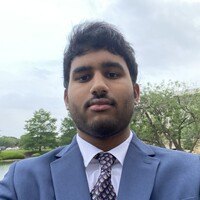 Krishang Reddy Mandala
Evolution of the idea, related models and Endsley's Situation Awareness framework.
Explore the research →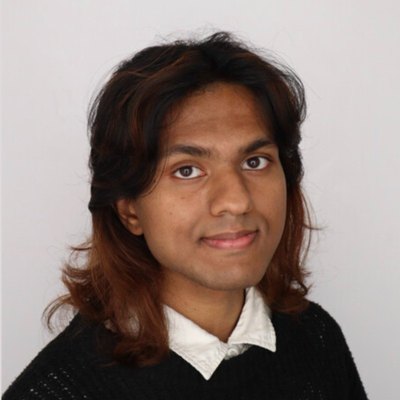 Sabareesh Dinakaran
Situation recognition, context reduction and smaller models.
Explore the research →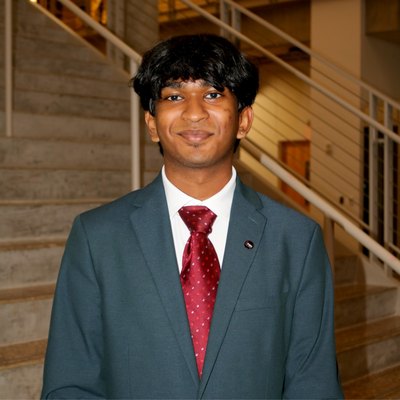 Sai Jagadish Manchikanti
Applying situation recognition to emerging organizational risk.
See the project →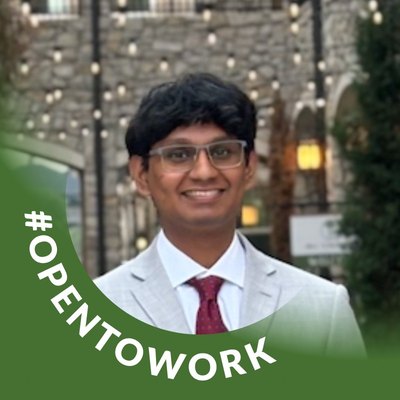 Yuvan Muruganandham
Exploratory application and live demo.
See the project →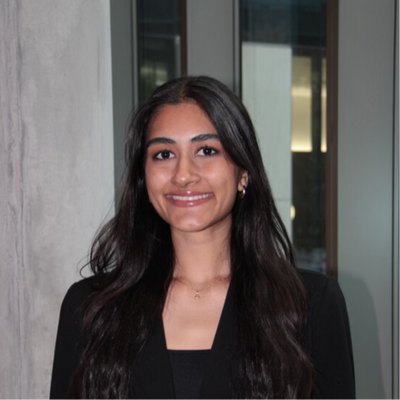 Avani Tripathi
The journey, questions and lessons emerging from the summer work.
Explore →Starts at 5:00 PM. Durations are approximate.
| Welcome3 min | Avani Tripathi |
|---|---|
| Opening Remarks4 min | 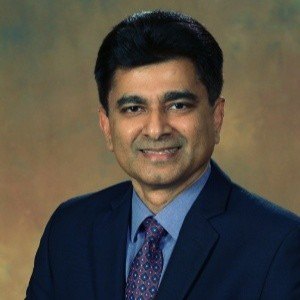 Ramesh Subramoniam, PhDProfessor of Practice, Operations Management; Director of Undergraduate Research, Naveen Jindal School of Management, UT Dallas Ramesh Subramoniam, PhDProfessor of Practice, Operations Management; Director of Undergraduate Research, Naveen Jindal School of Management, UT Dallas |
| The Hypothesis15 min |  Prasad PillaiCEO & Co-Founder, Mindspace AI · Situational AI: The Idea and the Hypothesis Prasad PillaiCEO & Co-Founder, Mindspace AI · Situational AI: The Idea and the Hypothesis |
| The Foundations7 min | Krishang Reddy MandalaEvolution of Situational AI; comparisons with other models and Mica Endsley’s Situation Awareness |
| The Computation7 min | Sabareesh DinakaranCan situation recognition reduce context and prompt needs and enable smaller, efficient models? |
| The Experiments7 min | Sai Jagadish ManchikantiRiskPulse · Exploratory implementation and live demo |
| The Experiments7 min | Yuvan MuruganandhamSituational AI · Exploratory application and live demo |
| Student Perspective7 min | Avani TripathiReflections on what the student exploration revealed |
| The Real World15 min | Prasad PillaiBotsWork demo · Situational intelligence in AI coworkers, implications, and next steps |
| Open Discussion / Q&A10 min | Bring a question, an experiment, or a real-world situation. |
| Recognition & Thanks5–10 min | Recognition of Prof. Subramoniam, followed by closing reflections |
| Networking | Afterward |
The program closes its presentations with a fifteen-minute segment led by Prasad Pillai, CEO & Co-Founder of Mindspace AI: a BotsWork demo of situational intelligence in AI coworkers, its implications, and next steps.
Presented by Mindspace AI in collaboration with the Naveen Jindal School of Management’s Jindal Undergraduate Research Scholars (JURS) program at UT Dallas. The Crow Museum of Asian Art at UT Dallas is the venue.
Crow Museum of Asian Art, Edith and Peter O’Donnell Jr. Athenaeum, on the UT Dallas campus in Richardson, Texas.
The program starts at 5:00 PM, with networking afterward.
Registration is handled through Luma.
Can’t make it? Subscribe to the newsletter for the recording and what we learned.
Subscribe to the newsletter to hear about the next one.